

Booking an event venue rental isn’t just about finding a good-looking space. Most people realize this too late – after deposits are paid, timelines are locked, and constraints start showing up where they didn’t expect them.
At that point, changing venues isn’t just inconvenient. It’s expensive, stressful, and often impossible.
The real problem is this: people evaluate venues based on surface-level factors – photos, pricing, and availability – while ignoring the operational realities that actually determine whether an event works or fails.
If you’re planning a wedding, corporate event, or private gathering in Kansas City, the decision isn’t about finding a venue. It’s about finding one that fits your event’s logistics, flow, and expectations without friction.
This guide breaks down exactly what to check before booking – so you don’t commit to a space that looks right but performs poorly.
Why Venue Selection Is More Complex Than It Looks
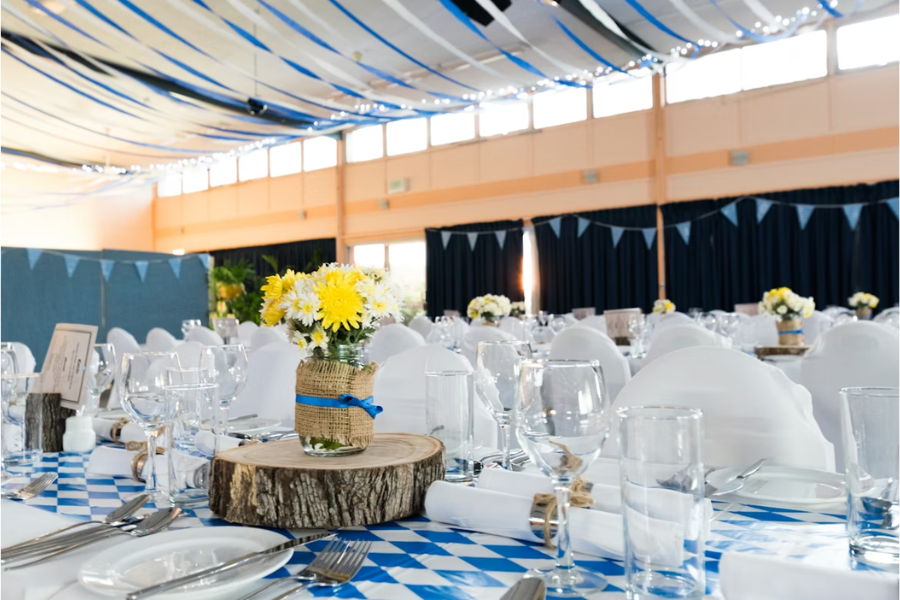
An event venue kansas city listing presents a highly controlled version of reality – one that is designed to highlight strengths while hiding operational complexity. What you typically see are clean layouts, ideal lighting conditions, and perfectly staged environments with no real pressure on the space. These visuals create a perception of ease, but they don’t reflect how the venue actually performs during a live event.
What’s missing is the real scenario: when a large number of guests arrive at the same time, when multiple vendors need access simultaneously, when timelines begin to shift, and when equipment, staff movement, and guest flow start overlapping. These are the conditions that define whether a venue works or breaks down.
A venue is not just a physical location you rent for a few hours. It functions as an operational system that directly impacts how smoothly your event runs. If that system is well-structured, it supports your event without friction. If it isn’t, it creates small inefficiencies that compound into noticeable problems.
1. Capacity: The Most Misleading Number in Venue Listings
Every venue advertises capacity. Very few explain it properly.
A space listed for 150 guests doesn’t mean it works for 150 people in your setup.
- Seated vs standing capacity
A venue might hold 150 standing guests, but once you add dining tables, staging, or a dance floor, that number drops significantly. What looks spacious in photos can feel tight during an actual event. - Space consumed by function, not people
Catering stations, bars, decor installations, and AV setups all take up physical space. If these aren’t accounted for, you’ll end up sacrificing comfort or flow mid-event. - Movement and circulation space
Guests don’t stay static. They move, gather, and interact. Without enough breathing room, the venue starts feeling crowded even below its stated capacity.
What to do:
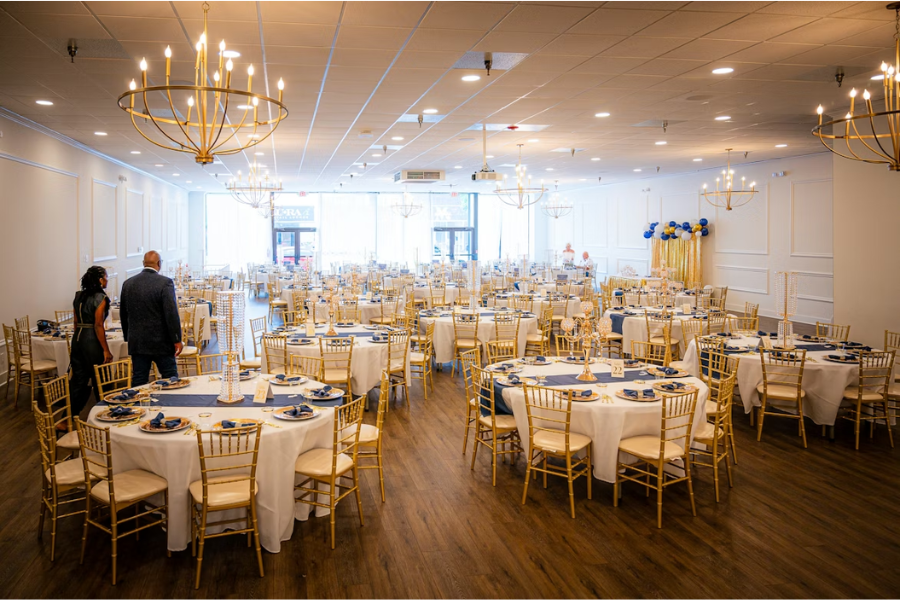
Always ask for real event layouts – not empty room photos. If they can’t show you how 100+ guests actually fit and move, you’re guessing.
2. Location: It’s Not About Distance, It’s About Friction
People simplify location to “convenient or not.” That’s incomplete.
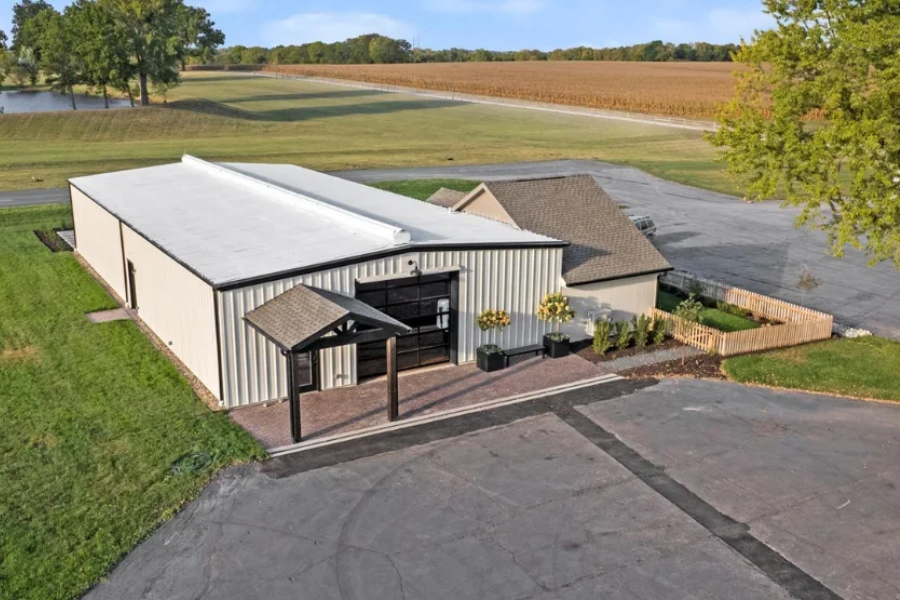
The location of your event venue kansas city mo affects how smoothly the entire event runs.
- Guest arrival patterns
If a venue is hard to find or poorly connected, guests arrive late or unevenly. This disrupts timelines, especially for structured events like weddings or corporate sessions. - Parking vs actual demand
A venue may claim “ample parking,” but if it doesn’t match your guest count, people will start circling, walking long distances, or arriving stressed. - Vendor accessibility
Vendors need efficient load-in and load-out access. Tight urban spaces or restrictive entry points slow down setup and increase coordination complexity. - Proximity to accommodation
For out-of-town guests, nearby hotels or stays reduce logistical friction and improve attendance rates.
What to do:
Think beyond maps. Evaluate how easy it is for people and vendors to actually use the location.
3. Pricing: The Number You See Is Rarely the Number You Pay
Most people compare venues based on base price.
That’s the wrong metric.
A cheaper venue often becomes expensive once you factor in everything it doesn’t include.
- Base rental vs full cost
Some venues only provide the space. You’ll need to bring in furniture, lighting, staff, and equipment – each adding cost and coordination layers. - Add-on dependencies
Items like sound systems, staging, or even basic seating may be charged separately. These are not optional in most events, so they should be treated as core costs. - Time-based pricing traps
Hourly pricing can look attractive but becomes expensive if setup and teardown are tightly restricted, forcing you to pay for extended hours. - All-inclusive vs modular venues
A luxe event venue may appear expensive upfront but can reduce complexity and hidden costs by bundling services.
What to do:
Ask for a realistic total – not a starting number. If the pricing breakdown isn’t clear, you’re walking into uncertainty.
4. Layout and Flow: Where Most Events Quietly Break Down
This is the most overlooked factor – and the most important.
A venue can look perfect and still fail operationally.
- Entry and transition points
If guests enter through narrow or poorly designed access points, it creates bottlenecks that affect the entire experience from the start. - Separation of zones
Dining, networking, entertainment, and service areas need logical separation. Without this, noise, congestion, and confusion increase. - Adaptability of the space
Events evolve. A rigid layout that can’t adjust mid-event limits your ability to manage flow or fix issues. - Staff and vendor movement
If service staff and vendors don’t have clear pathways, they end up interfering with guest areas, which disrupts the experience.
What to do:
Walk through the venue mentally as if the event is happening. If movement feels forced, it will feel worse in reality.
5. Vendor Flexibility: Control vs Convenience
Not all venues operate the same way.
Some give you full control. Others restrict your choices.
- Preferred vendor lists
These can simplify planning, but they often limit pricing flexibility and customization options. - Mandatory services
Some venues require in-house catering or specific partners. This reduces decision-making but can lock you into fixed costs. - Setup restrictions
Limited setup windows or strict rules around installations can compress timelines and increase stress. - Coordination complexity
Open venues require more management but allow full customization. Restricted venues reduce coordination but limit flexibility.
What to do:
Understand how much control you’re giving up – and whether the trade-off is worth it.
6. Technical Infrastructure: The Silent Failure Point
This is where many events struggle without realizing it early.
- Power capacity limitations
Lighting rigs, sound systems, and equipment all require stable power. If the venue can’t handle it, you’ll face disruptions or compromises. - Audio and acoustics
Poor sound distribution or echo-heavy spaces can ruin speeches, presentations, or performances – even with good equipment. - Connectivity and Wi-Fi
For corporate events, unreliable internet affects presentations, streaming, and coordination tools. - Lighting control
Fixed or limited lighting setups restrict your ability to create the right atmosphere or adjust throughout the event.
What to do:
Don’t assume technical readiness. Ask specifically what the venue supports – and what you’ll need to bring.
7. Time Constraints: Where Plans Get Compressed
Time restrictions are rarely obvious – but always impactful.
- Setup window limitations
Short setup times force rushed execution, increasing the chances of mistakes or incomplete preparation. - Strict event end times
Hard cutoffs can disrupt the natural flow of an event, especially weddings or networking events. - Breakdown deadlines
Immediate teardown requirements can create pressure on vendors and staff. - Early access restrictions
Without early access, you lose flexibility for testing, rehearsals, or adjustments.
What to do:
Map your entire timeline against the venue’s rules. If it feels tight on paper, it will feel worse in reality.
8. Weather Contingency: Hope Is Not a Strategy
Outdoor venues are appealing – but they come with risk.
- Backup space availability
A proper contingency isn’t just “we’ll figure it out.” It should be a clearly defined alternative setup. - Transition logistics
If weather changes suddenly, how quickly can the event shift indoors without disruption? - Policy clarity
Some venues shift responsibility to you in case of weather-related changes, which affects cost and coordination.
What to do:
If there’s no structured backup plan, you’re accepting unnecessary risk.
9. Contracts: Where Assumptions Get Tested
Most people skim contracts. That’s a mistake.
- Cancellation terms
Understand what happens if plans change. Deposits are often non-refundable, and timelines matter. - Damage and liability clauses
You may be responsible for damages caused by guests or vendors – even if indirect. - Insurance requirements
Some venues require event insurance, which adds cost but also protects you. - Refund conditions
Not all cancellations are treated equally. Know the thresholds and timelines.
What to do:
Read the contract like something will go wrong – because that’s when it matters.
How This Plays Out in Real Events
In real-world scenarios, venue selection is about trade-offs.
- Larger venues reduce crowding but increase cost and coordination complexity, especially for staffing and layout management.
- Central locations improve accessibility but may limit customization due to space constraints or regulations.
- All-inclusive venues simplify planning but reduce flexibility in design and vendor selection.
Common mistakes:
- Choosing based on visuals instead of functionality
- Underestimating setup and coordination time
- Ignoring vendor and technical requirements
- Overestimating guest turnout
The best venue isn’t the most impressive one. It’s the one that creates the least friction.
How to Decide If a Venue Is Right for You
A venue is right if it aligns with how your event needs to function – not just how it looks.
- Choose it if it supports your event type operationally
The space should naturally accommodate your layout, guest movement, and timing without forcing adjustments. - Choose it if total cost aligns with your budget
This includes all add-ons, not just the base price. Surprises usually come from what’s excluded. - Avoid it if it introduces unnecessary constraints
Restrictions that complicate planning or execution often outweigh aesthetic benefits. - Avoid it if it limits flexibility without clear advantages
If you’re giving up control, there should be a strong operational benefit in return.
FAQs
What is included in an event venue rental?
It varies. Some venues include furniture, staff, and equipment, while others provide only the space and require external vendors.
How early should I book an event venue in Kansas City?
For weddings and large events, 6–12 months is common. Smaller events may require less time depending on availability.
What is the average cost of an event venue in Kansas City?
Costs range widely based on size, location, and inclusions – from a few hundred dollars to several thousand.
Can I bring my own vendors to any venue?
Not always. Some venues restrict vendors or require in-house services, which impacts cost and flexibility.
What matters more: venue size or layout?
Layout matters more. A well-designed space with good flow often performs better than a larger but poorly structured venue.
The Venue Sets the Ceiling for Your Event
Every event has a ceiling – the maximum quality it can realistically reach. That ceiling is set long before the event begins. It’s set when the venue is chosen.
A well-matched venue removes friction. It allows planning, execution, and experience to align naturally. A poorly chosen one forces constant adjustments, compromises, and stress.
If you’re evaluating options, start with clarity – not assumptions. Platforms like KC Pekaabo Event Spaces can help you explore available spaces, but the real value comes from knowing what to look for.
Because at the end of the day, the venue doesn’t guarantee a great event – but it defines whether one is even possible.
Comments are closed